Serengeti NP
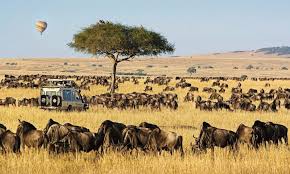
Serengeti National Park in northern Tanzania is a key destination for most safaris, known for hosting the world’s largest mammal migration. However, even outside of this iconic natural event, the park’s high concentration of wildlife ensures exceptional viewing opportunities throughout the year. The southern plains near Seronera are the most frequently visited, but the Western Corridor and the Mara River areas also offer excellent exploration opportunities.
Pros & Cons
Pros:
• Witness the annual wildebeest migration from January to October
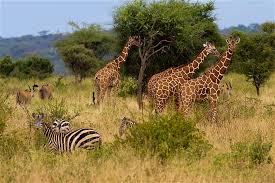
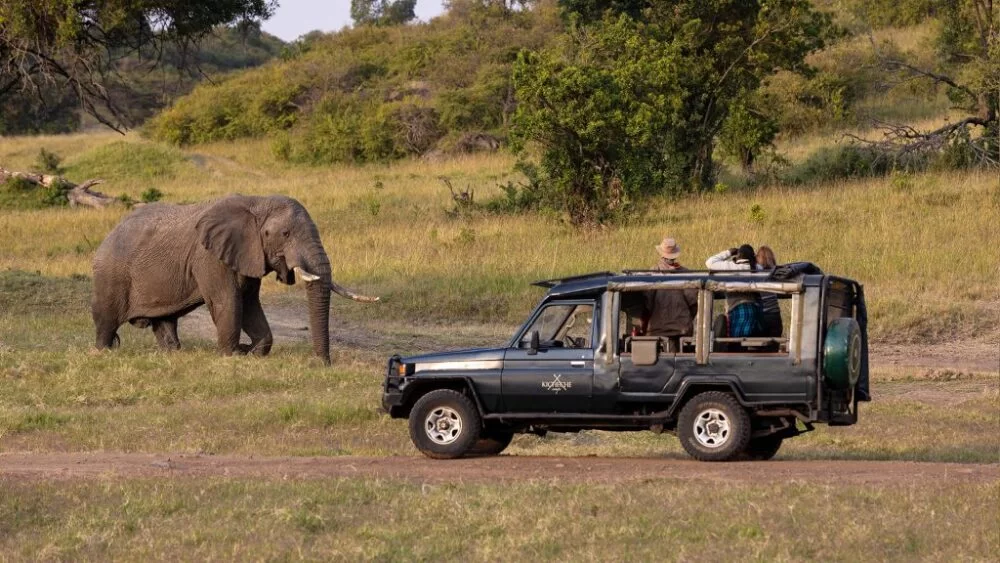
• Year-round exceptional wildlife viewing
• Expansive plains offer an authentic African safari experience
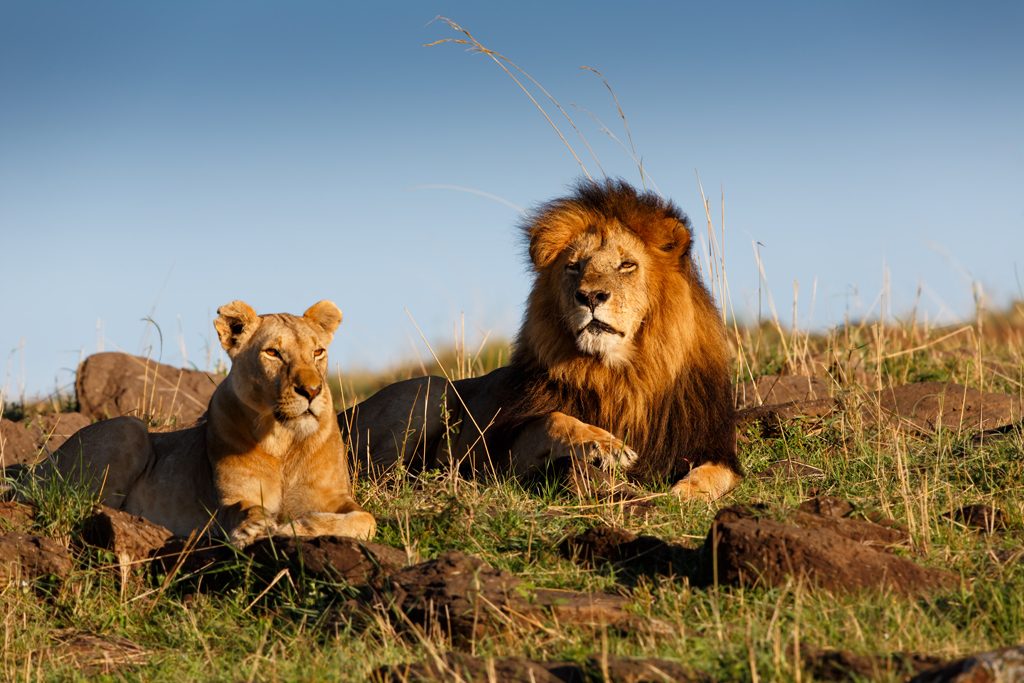
• Ideal for predator sightings
• Great selection of mid-range and luxury lodges
• Hot-air balloon safaris available
Cons:
• The Seronera area can be crowded
• Mara River crossings attract large crowds
• Migration timing can be unpredictable
The Wildebeest Migration
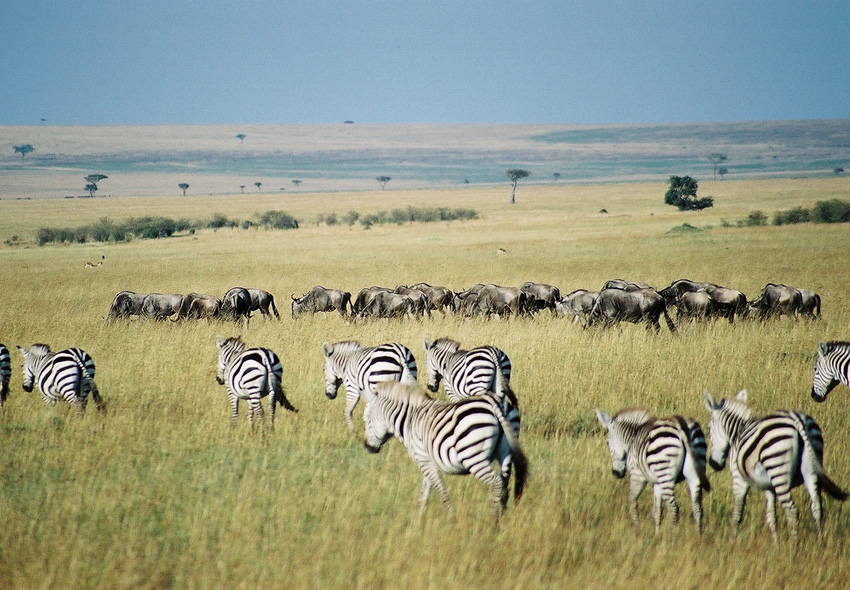
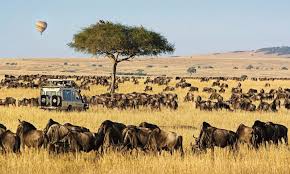
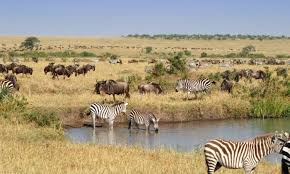
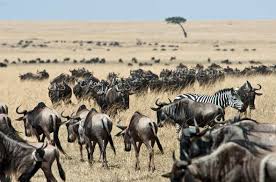
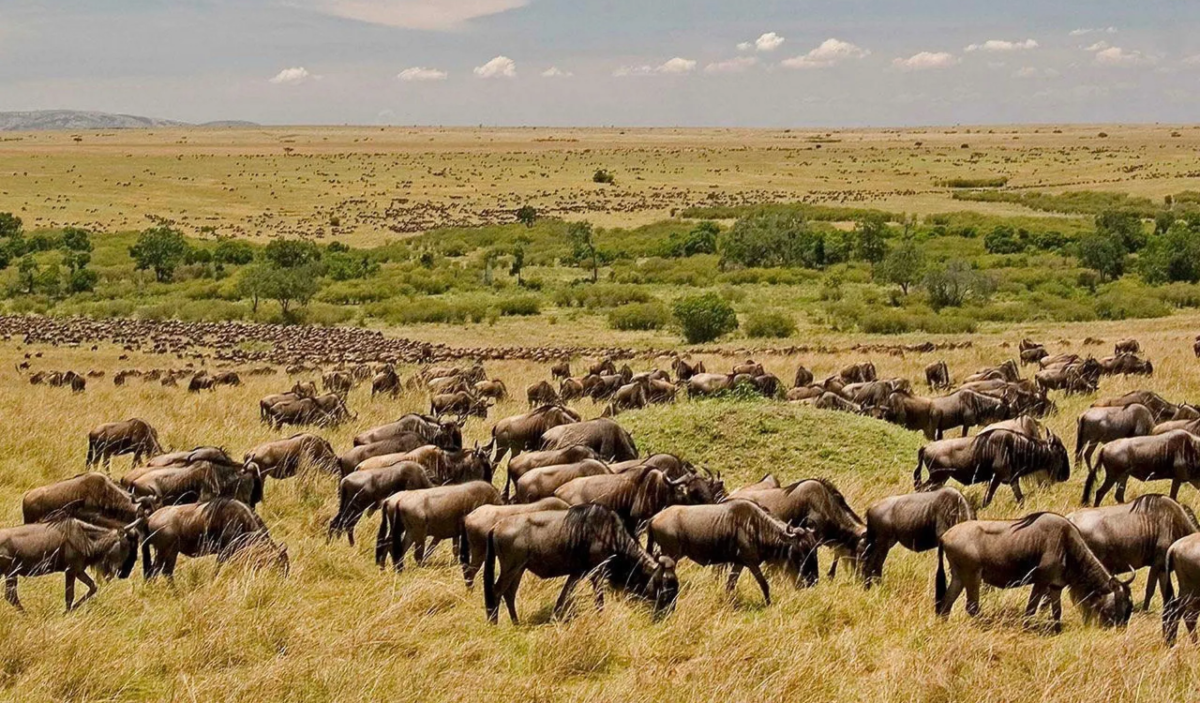
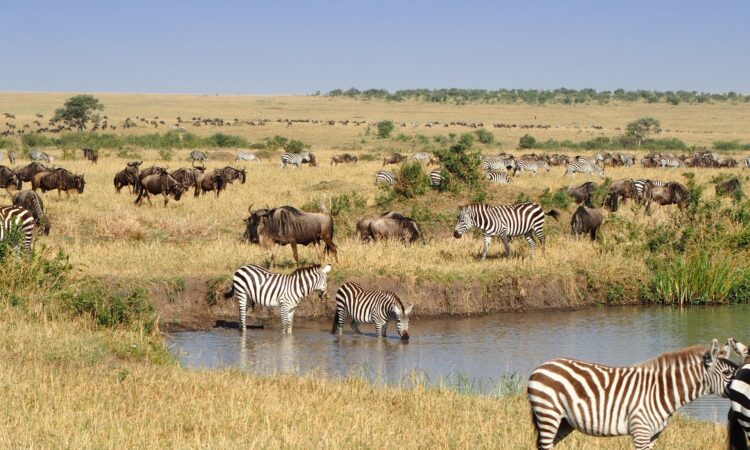
The annual migration involves over two million wildebeest, zebras, and gazelles traveling across an 800-kilometer (500-mile) route within the Mara-Serengeti ecosystem. The majority of this migration happens in the Serengeti, which is significantly larger than the Masai Mara in Kenya.
Wildlife & Animals in Serengeti National Park
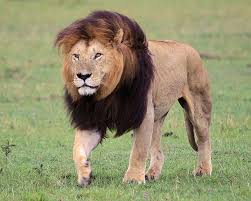
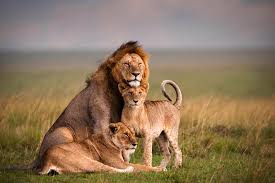
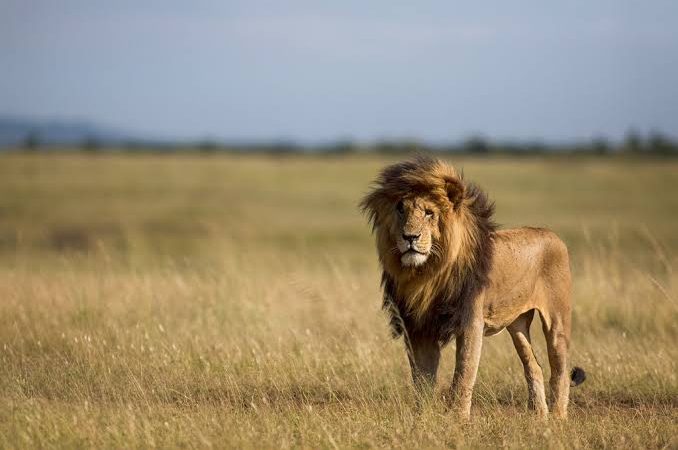
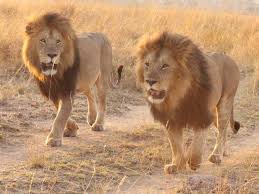
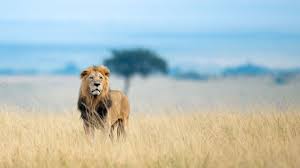
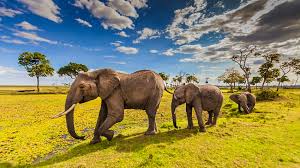
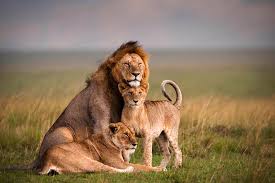
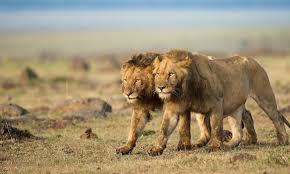
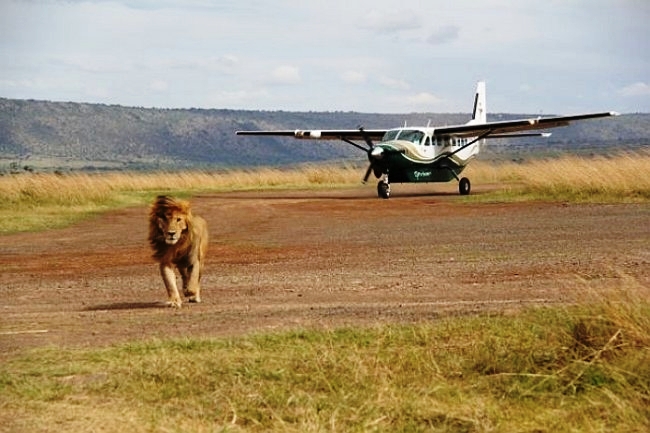
Serengeti is considered the epitome of the African safari experience. Vast herds of animals trek across the open plains, while predators bring the landscape to life. Lions are easy to spot, and cheetahs, known for their speed, are frequently seen. Leopards, though elusive, are sometimes found lounging in trees along the Seronera River.
Wildlife Highlights
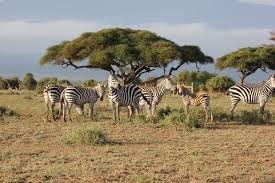
The Serengeti’s wildebeest migration is one of its most famous events, with millions of hooves moving across the plains. The migration includes over 1.5 million wildebeest, 200,000 zebras, and 300,000 Thomson’s gazelles. The journey attracts numerous predators, and sightings of lions, cheetahs, hyenas, and jackals are common, making for thrilling game drives.
Best Time for Wildlife Viewing
While the Serengeti offers incredible wildlife experiences throughout the year, June and July are ideal months for watching the migration and the Grumeti River crossing. The Mara River crossings, famous for their dramatic scenes, usually take place in August and September. For wildebeest calving, January to February is the best period.
This version preserves the essence of the original while ensuring originality in the wording.
Other Trips
These are other trips.